
Collision repair · South Houston, TX
Collision repair in South Houston, done under one roof.
INC Collision is an auto body shop at 1303 Pennsylvania St. in South Houston. We inspect the damage, write a free estimate, and handle frame, body and paint work in our own shop.
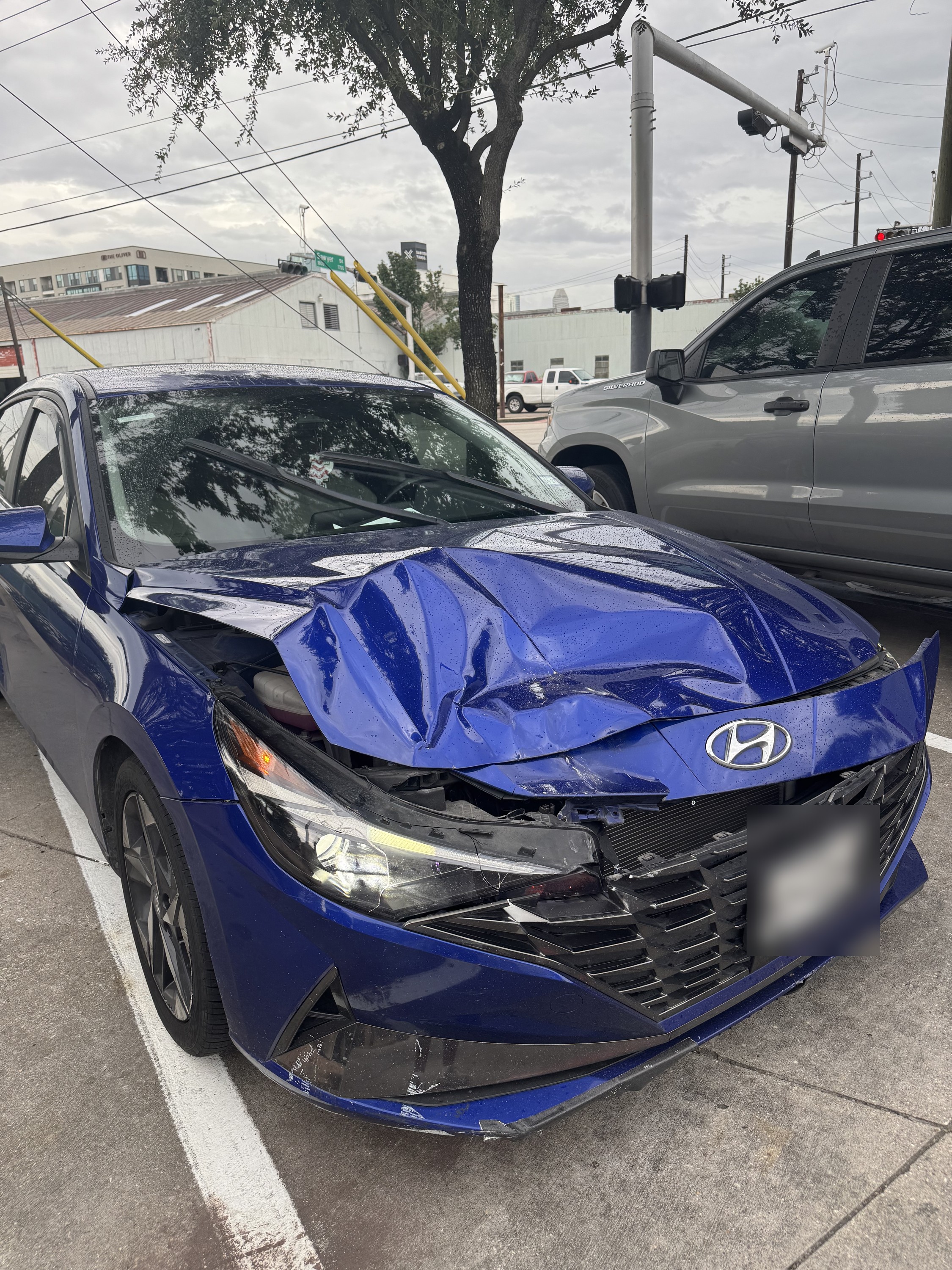
- Estimates
- Always free
- Pickup
- Ask about repair-customer pickup
- Open
- Mon–Fri 9–6 · Sat 9–2
Everything happens in our shop
Our 10,000-square-foot shop has a frame machine, a paint booth, and room to store cars waiting on parts or approvals. Frame, body and paint work stay with the same crew from start to finish: fewer handoffs and one team responsible for the result.
Technicians with more than 20 years in the trade
Our two lead technicians have each been repairing collision damage for more than 20 years, and our third technician has more than eight. That experience shows in the details you notice, like panel gaps, paint match and trim that fits, and in the ones you don't, like how the structure underneath was put back together.
Free estimates, in English or Spanish
Bring the car by during business hours, call us, or request a free estimate online. Our team speaks English and Spanish (se habla español), so you can ask your questions in the language you're most comfortable with.
Insurance claim or paying yourself
We repair cars for customers of any insurance company, and for customers paying out of pocket. In Texas, you choose where your car is repaired, not the insurance company. If you're filing a claim, bring your claim number and your adjuster's contact information, and we'll work with them on the estimate and on any hidden damage we find once the car is apart.
Vehicle not drivable?
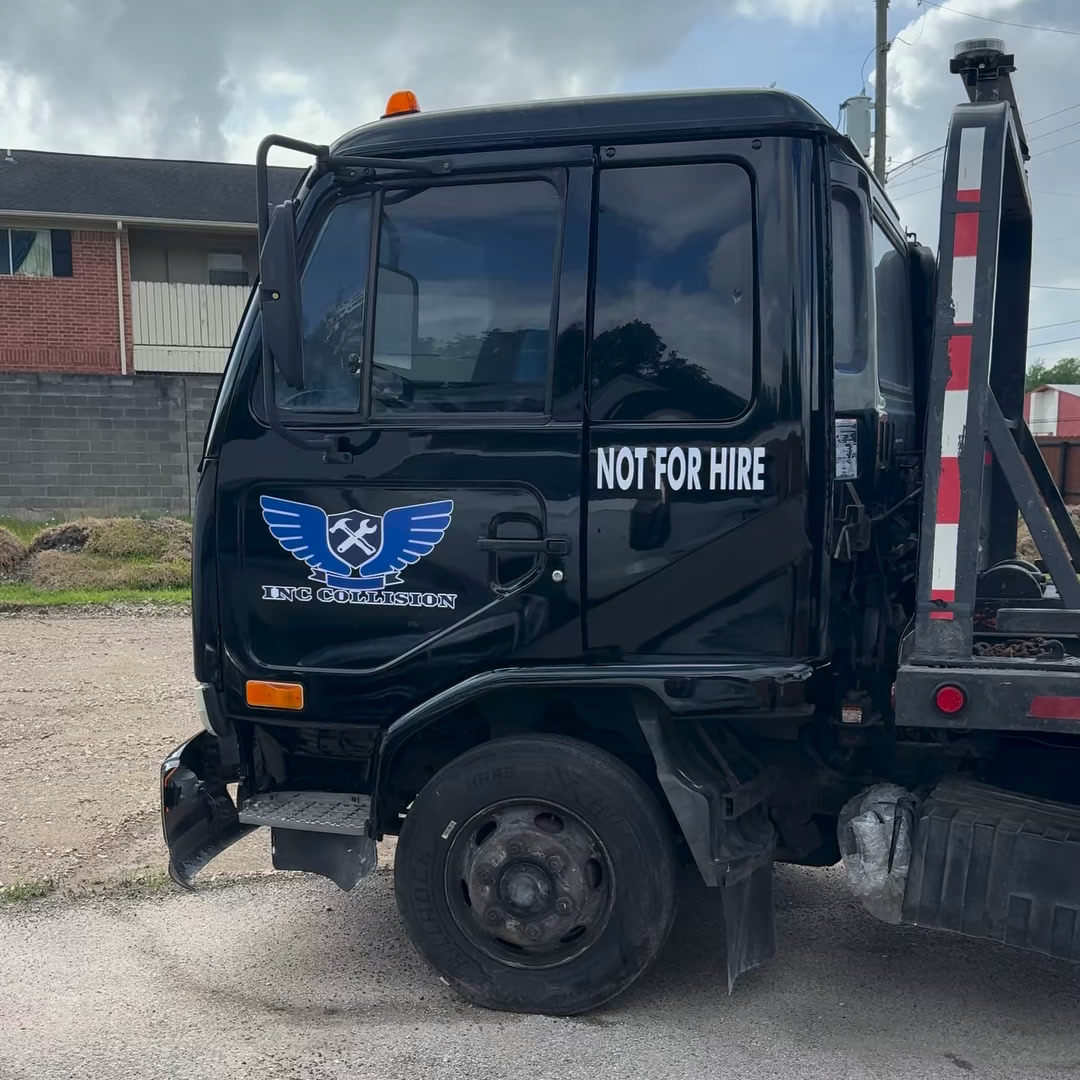
If the vehicle is coming to INC for repair, call (832) 433-7296 to discuss pickup. It is free for eligible repair customers when our team confirms eligibility and availability by phone. We do not offer towing for hire.
Serving South Houston and nearby
We're on Pennsylvania Street in South Houston, a few minutes from Pasadena, the Hobby Airport area and the Gulf Freeway. Customers also come to us from across Houston, Pearland and Deer Park. We're open Saturdays until 2 p.m., when many shops are closed.
Free estimates. Call or stop by: Mon–Fri 9–6, Sat 9–2.
Questions
Common questions.
Are your estimates really free?
Yes. Estimates are always free, whether you're filing an insurance claim or paying yourself.
Do I have to use the body shop my insurance company recommends?
No. Texas law lets you choose where your vehicle is repaired. Your insurer can't limit your coverage because you picked a shop that isn't on its list.
Can you help bring my car to INC for repair?
Call us about a vehicle coming to INC for repair. Pickup is free for eligible repair customers, with eligibility and availability confirmed case by case by phone. We do not offer towing for hire.
Do you speak Spanish?
Sí. Se habla español. Our team can help you in English or Spanish.
Are you open on Saturday?
Yes. We're open Monday through Friday 9 a.m. to 6 p.m. and Saturday 9 a.m. to 2 p.m.
How long will my repair take?
It depends on the damage, parts and, on insurance jobs, approvals. You'll get an estimated timeline with your estimate, and we'll tell you if anything changes.